Google no longer cares about Android partners
As head of the hardware department, Rick Osterloh isn't only responsible for devices such as Google Pixel or Google Home. Its success is also measured by how much profitability these devices have, and he is determined to conquer the market with smartphones, smart home devices and other end customer products. He explained to the DPA at MWC that the times playing it safe with Android partners are over.
Alphabet had hired the former President of Motorola Mobility to take Google's hardware division forward. The results so far have produced two generations of Pixel smartphones, Google Home in two sizes and the integration of the Alphabet's Nest into the Google brand (The Verge).
Especially after the creation of the Pixel brand, analysts and the press weren't sure whether Google might eventually break off ties with its Android partners in future. What we've now learned is that Osterloh won't make any compromises to achieve his goal, so it could be likely that this will go ahead. After all, Google smartphones obviously compete with the top models by Samsung, Sony, LG and more, whose devices provide free but profitable (for Google) user data thanks to Android and the pre-installed Google apps.
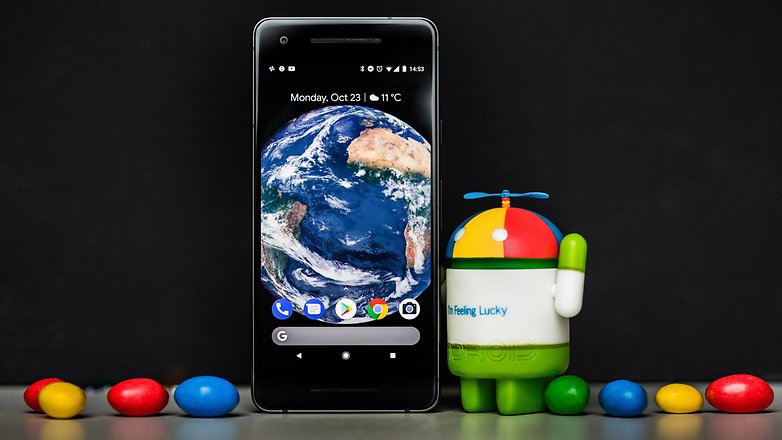
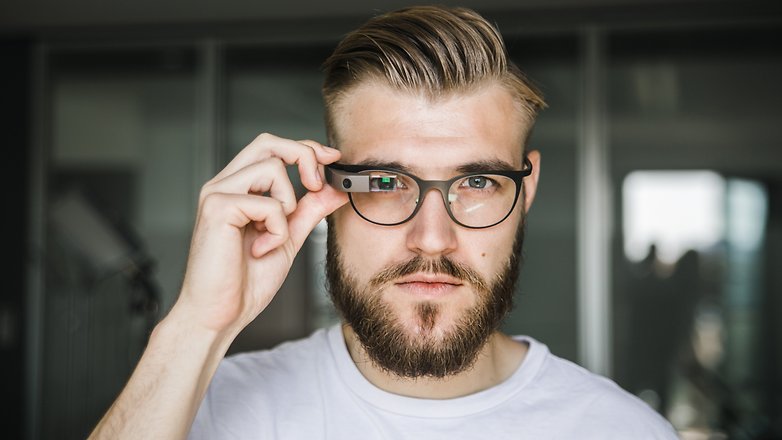
Last year, Osterloh already emphasized, and this year repeated again, that he wanted to push ahead with the integration of hardware and software through his own devices and resources as a priority. While the previous Nexus smartphones and Google Glass data glasses were still intended for developers, Osterloh's Google department makes its future ambitions clear: "We are very focused on being successful in consumer electronics".
The acquisition of HTC's 2000-man Pixel team for around one billion dollars has clearly shown what Google intends to invest in. "They will continue to focus on smartphones" said Osterloh. "I have no restrictions on cooperation with other parts of Google."
Upcoming Pixel devices could therefore benefit from what the teams behind Google Maps, AR, VR and more are achieving, instead of passing them on to Android partners right away. First, Google devices will get the new tech, and then Android partners might use them later on. We'll see how Android partners will react to Google adding roadblocks in the software department, on top of the difficulties they already had with hardware.
Because even on the hardware side, most smartphone manufacturers are absolutely dependent on technologies Qualcomm provides in its chipsets. Now, if Google stops or postpones access to Android features, new smartphone manufacturers, as well the smaller players in the market might suffer.
What implications do you think this will have for the industry? Let us know in the comments.


